

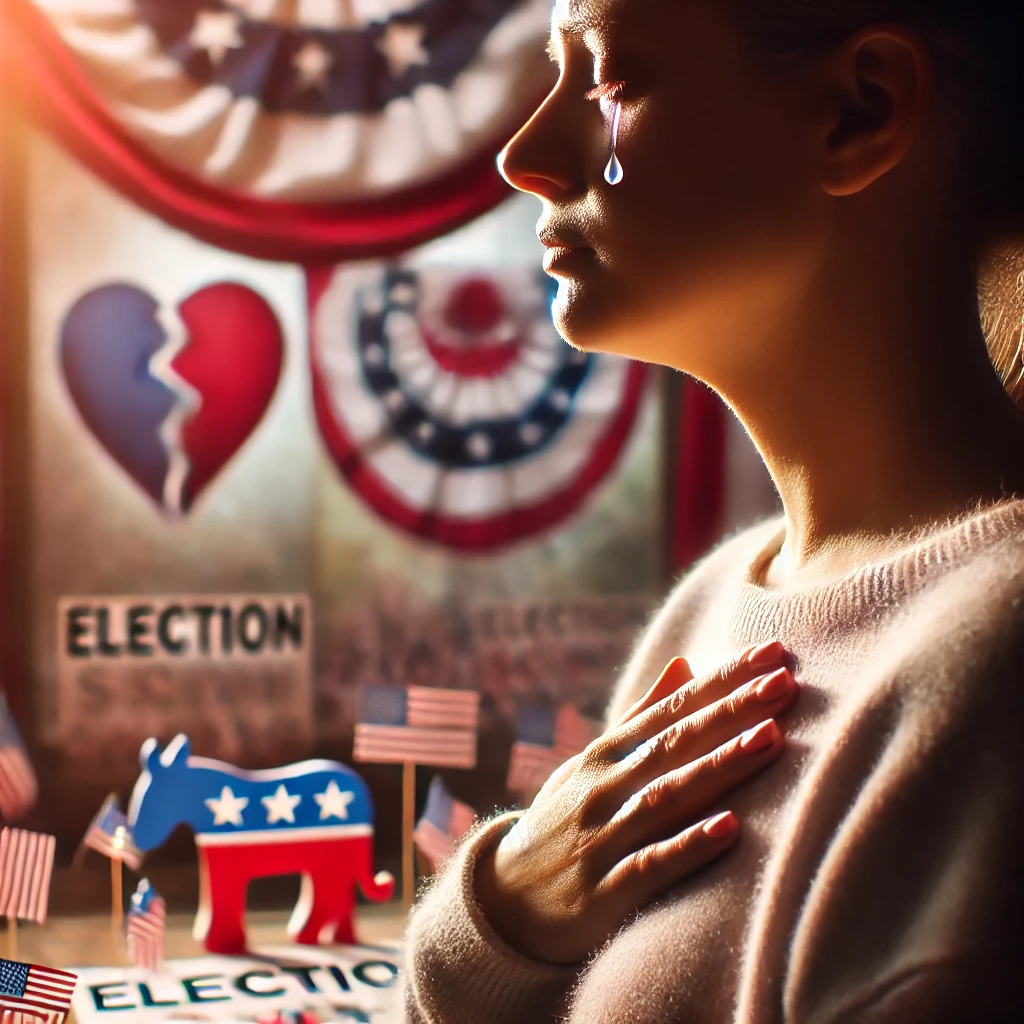
As the presidential election season unfolds, many people experience a whirlwind of emotions—anxiety, fear, hope, anger, or even despair. The divisiveness and intensity that come with election campaigns often bring emotional reactions to the surface, leaving us feeling overwhelmed. The polarizing nature of political discourse can stir deep-seated fears, values, and beliefs, creating emotional turbulence that can feel difficult to manage.
In moments like these, our internal emotional system can feel out of balance. Stress, triggered by the uncertainty of the future or political disagreements with loved ones, can weigh heavily on our hearts and minds. The stakes feel high, and the overwhelming input from the media, conversations with others, and internalized personal beliefs can leave us feeling disoriented or emotionally hijacked.
During times like this, we need tools that allow us to process our emotions with grace and understanding. Internal Family Systems (IFS) therapy offers an effective approach to self-connection and emotional regulation, especially during emotionally charged times like elections. In this blog post, we will explore why elections can trigger strong emotions and how IFS can serve as a guide to connect with our parts, leading to emotional balance, deeper self-awareness, and healing.
The Emotional Impact of Presidential Elections
Presidential elections touch on core values like justice, freedom, equality, and fairness—concepts that are deeply tied to our personal identity and worldview. When political debates challenge or contradict these values, it can feel like a personal threat, leading to emotional responses such as anger, fear, helplessness, or defensiveness. Our emotional state is especially susceptible during elections because we often feel invested in the outcome, whether it’s the future of the country or our personal beliefs that we feel are on the line.
When faced with these triggering situations, it’s natural for emotions to rise. However, these emotions can sometimes become overwhelming, making it difficult to maintain a sense of calm. For instance, seeing someone online challenge your beliefs may provoke anger, which in turn triggers other feelings—maybe fear of uncertainty or frustration with the current political landscape. Emotions like these can surface rapidly, often leaving us reacting from a place of distress or defensiveness.
Understanding Our Parts: Why Elections Trigger Us
According to IFS, we are not one single “self,” but rather an internal system made up of different “parts.” Each part carries specific beliefs, emotions, and roles. Some parts protect us, while others carry wounds or vulnerabilities. When we encounter stressful situations—such as a heated political discussion or distressing election news—these parts can become activated.
For example, a part of you may react to political rhetoric with anger because it feels protective. Anger may surface as a way to defend against underlying emotions, such as fear or helplessness. Another part may experience heightened anxiety, worried about what the election results could mean for your family or community. These protective parts are often reacting to deep-seated wounds or fears and may respond to election season by becoming louder and more forceful in their efforts to keep us safe.
The goal of IFS is not to silence or suppress these parts, but to connect with them in a compassionate way. By acknowledging and understanding these parts, we create space for healing and inner peace. In the context of a presidential election, IFS helps us understand why certain political issues trigger intense emotional reactions, allowing us to approach these emotions from a place of self-awareness and understanding.
How IFS Helps with Self-Connection and Emotional Regulation
IFS therapy offers a roadmap for navigating the emotional upheaval that can occur during election season. The process of identifying, understanding, and soothing our parts allows us to regulate our emotions and approach challenging situations with greater clarity and calm.
Here’s how IFS can help during this emotionally charged season:
1. Identify and Acknowledge Your Parts
The first step in IFS is to recognize the parts of yourself that are being triggered. Are you feeling anger, fear, or defensiveness? What part of you is carrying these emotions? By acknowledging the presence of these parts, you can begin to understand their motivations. For instance, your angry part may be trying to protect you from feeling powerless or vulnerable.
2. Approach Your Parts with Compassion and Curiosity
Once you’ve identified your parts, the next step is to approach them with curiosity and compassion. Ask yourself: Why is this part feeling so strongly? What is it trying to protect you from? This non-judgmental inquiry helps create a safe space for your parts to express themselves. In turn, this can reduce the intensity of the emotions they carry.
3. Reconnect with Your Core Self
In IFS, the Self is the calm, compassionate core of who we are. By connecting with the Self, we can lead our internal system with clarity and wisdom. During election season, this means stepping back from emotional reactivity and approaching the political climate from a grounded place. When we engage from Self-energy, we can interact with the political discourse without becoming overwhelmed or defensive.
4. Soothe Your Protective Parts
Once you’ve connected with your parts, you can offer them the support and reassurance they need. For example, if your anxious part is worried about the future, offer it comfort by reminding it that you can handle uncertainty. If your angry part is feeling defensive, reassure it that vulnerability is okay and that you are there to protect yourself. By offering compassion to these parts, you allow them to relax, reducing emotional intensity.
5. Stay Grounded During Election Conversations
Political conversations, whether online or in person, can be emotionally charged. By staying grounded in your Self, you can engage in these conversations with more clarity and calm. This doesn’t mean avoiding difficult topics—it means approaching them from a place of empathy and understanding. When we are connected to our Self-energy, we are better equipped to handle disagreements without escalating into reactive emotions.
Practical Tips for Using IFS During the Election Season
To help you navigate the intensity of election season with more ease and self-compassion, here are some actionable tips based on IFS principles:
1. Set Media Boundaries
Election news and social media can be a major source of emotional triggers. Set boundaries for how much news you consume, and be mindful of how it affects your emotional state. If certain content triggers intense emotions, take a break, and spend time connecting with your parts to process the reaction.
2. Practice Daily Self-Connection
Take time each day to check in with yourself and your parts. Whether it’s through journaling, meditation, or quiet reflection, this practice will help you stay attuned to your emotions and regulate them from a place of self-awareness. Regular self-connection allows you to approach the election with more clarity and emotional balance.
3. Mindful Engagement in Political Conversations
Engaging in political conversations can be challenging, especially when emotions are high. When entering these discussions, stay connected to your Self-energy and approach the conversation with curiosity and empathy. If you feel yourself becoming emotionally activated, take a pause to reconnect with your internal parts before continuing.
4. Support Your System with Self-Care
Election season can feel draining, both mentally and emotionally. Prioritize self-care to ensure that you’re supporting yourself through this time. Whether it’s physical movement, creative expression, or connecting with loved ones, engaging in self-care can help you remain grounded and emotionally resilient.
5. Seek External Support When Needed
Sometimes our internal system needs additional support. If you’re feeling overwhelmed by election-related emotions, reach out to a therapist, friend, or support group. External support can offer new perspectives and help you navigate your emotions with greater ease.
Cultivating Compassion for Ourselves and Others
One of the most profound aspects of using IFS during emotionally charged times is the cultivation of self-compassion. When we connect with our parts and offer them the understanding and compassion they need, we also cultivate greater compassion for others.
Election season can highlight the deep divisions within our country, and it’s easy to feel anger or frustration toward those who hold different political beliefs. However, when we approach ourselves with compassion, we become more capable of offering that same compassion to others. By healing our internal system, we become more open to seeing the humanity in others, even when we disagree.
At a time when political tensions can create feelings of separation, compassion is a powerful tool for bridging divides. When we show ourselves kindness and understanding, we create the space for healing—both within ourselves and in our relationships with others. During this election season, let’s remember that while we may hold different beliefs, we are all part of the same human experience.
And as we practice self-connection and self-compassion, we contribute to a more compassionate world—one where differences can coexist, and where understanding and empathy are valued above division.
As you navigate the emotional challenges of this election season, remember that you don’t have to go through it alone. If you find yourself feeling triggered or overwhelmed, I’d be honored to support you as a compassionate IFS therapist, helping you connect with your inner parts and find peace amidst the chaos. Reach out if you’d like guidance on this journey.
In compassionate support,
For more articles on self-connection, codependency, religious trauma, CPTSD, IFS, connection, healing, and beyond, I invite you to check out my blog and follow for future posts here.
*** Created with the assistance of AI
Leave a Reply to When Christianity Hurts: Understanding Religious Trauma and Its Psychological ImpactCancel reply